
Our Framework
Three Pillars of Sustainability
01
Product
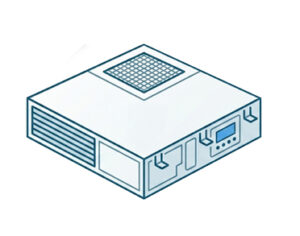
We are committed to developing industry-leading products engineered for maximum energy efficiency and minimal lifecycle emissions.
- Low Embodied Carbon: We carefully evaluate the Life Cycle Assessment (LCA) of our products to align with CIBSE TM65 guidelines.
- Hybrid Innovation: Our NVHR® and NVHRe ranges integrate ultra-efficient, low Specific Fan Power (SFP) components. The NVHRe unit features a low-resistance heat exchanger, achieving up to 46% heat recovery efficiency while recycling internal heat gains.
- Smart Controls: Our systems automatically adjust to internal and external conditions, ensuring the fan only operates when necessary to minimize energy use.
02
Planet

Achieving Net Zero requires a holistic approach to a building's lifecycle. We help customers reduce their carbon footprint and ensure compliance with key UK regulations and standards, including:
- CIBSE TM52 & BB101: Safeguarding buildings against summertime overheating.
- Building Regulations (Part F & Part L): Ensuring ventilation and conservation of fuel and power.
- ESFA Annex 2F: Meeting government standards for school environments.
03
People

Good ventilation is not just about saving energy—it is about occupant health and wellbeing.
- Improved IAQ: High indoor air quality reduces CO₂ buildup, improving focus and productivity in offices and classrooms.
- Health and Comfort: Research indicates that improved ventilation can reduce student absence due to illness by up to 3.4%. By utilizing facade-based mixing ventilation, our systems mitigate cold draughts during winter while providing ample fresh air.
Our Sustainable Ventilation Strategies
Achieving sustainable, energy-efficient buildings requires a dynamic approach to indoor climate control. Our ventilation strategies adapt to changing seasons and external conditions to ensure optimal air quality while minimizing energy use.
Natural
Ventilation
Passive Efficiency
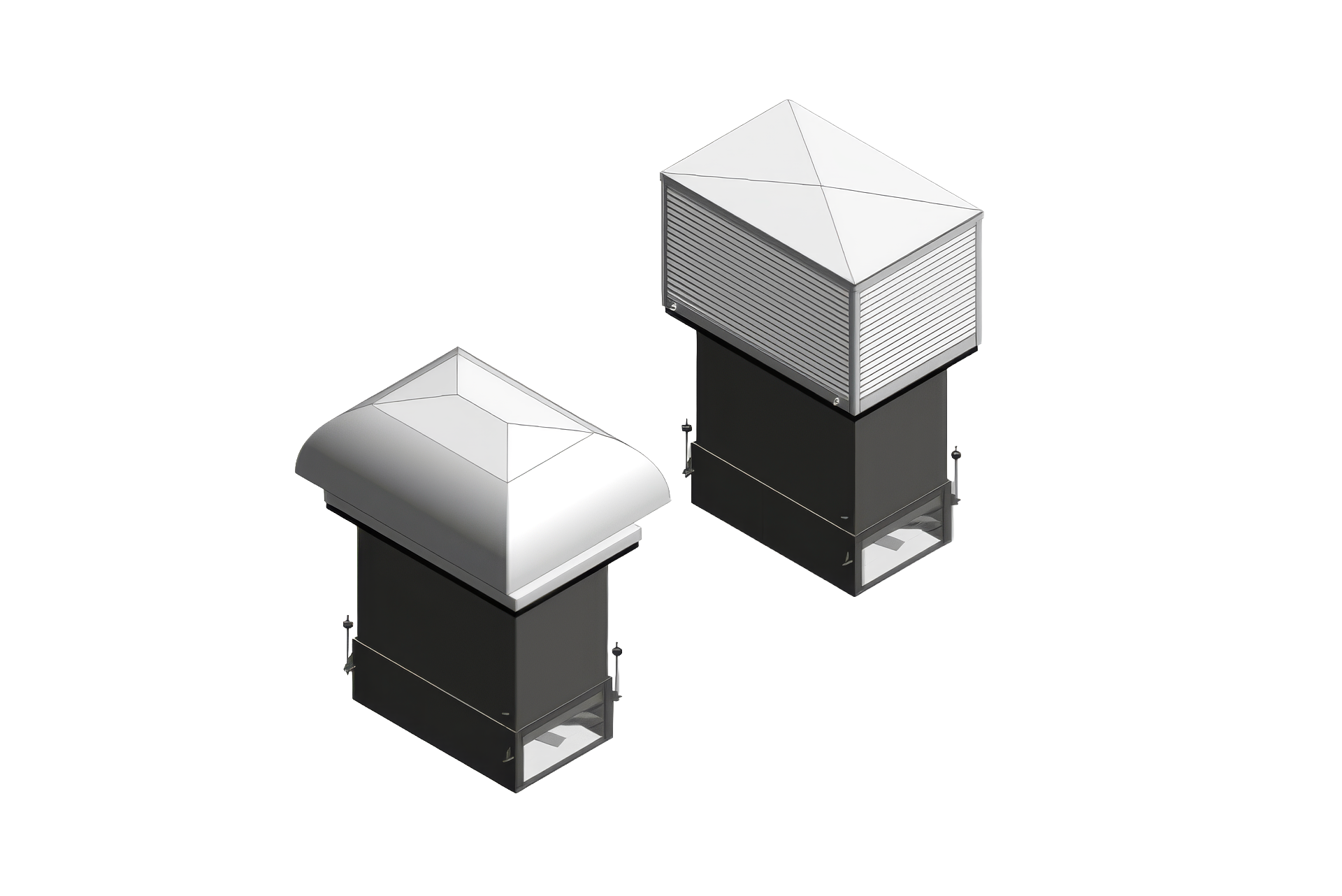
When external conditions allow, our systems operate in natural mode, utilizing natural forces to ventilate the building.
- How it works: Warm air rises and exits through high-level openings, pulling cooler, fresh air in at low levels.
- Benefit: Operates without fans, reducing electricity consumption and emissions.
Hybrid
Ventilation
The Intelligent Balance
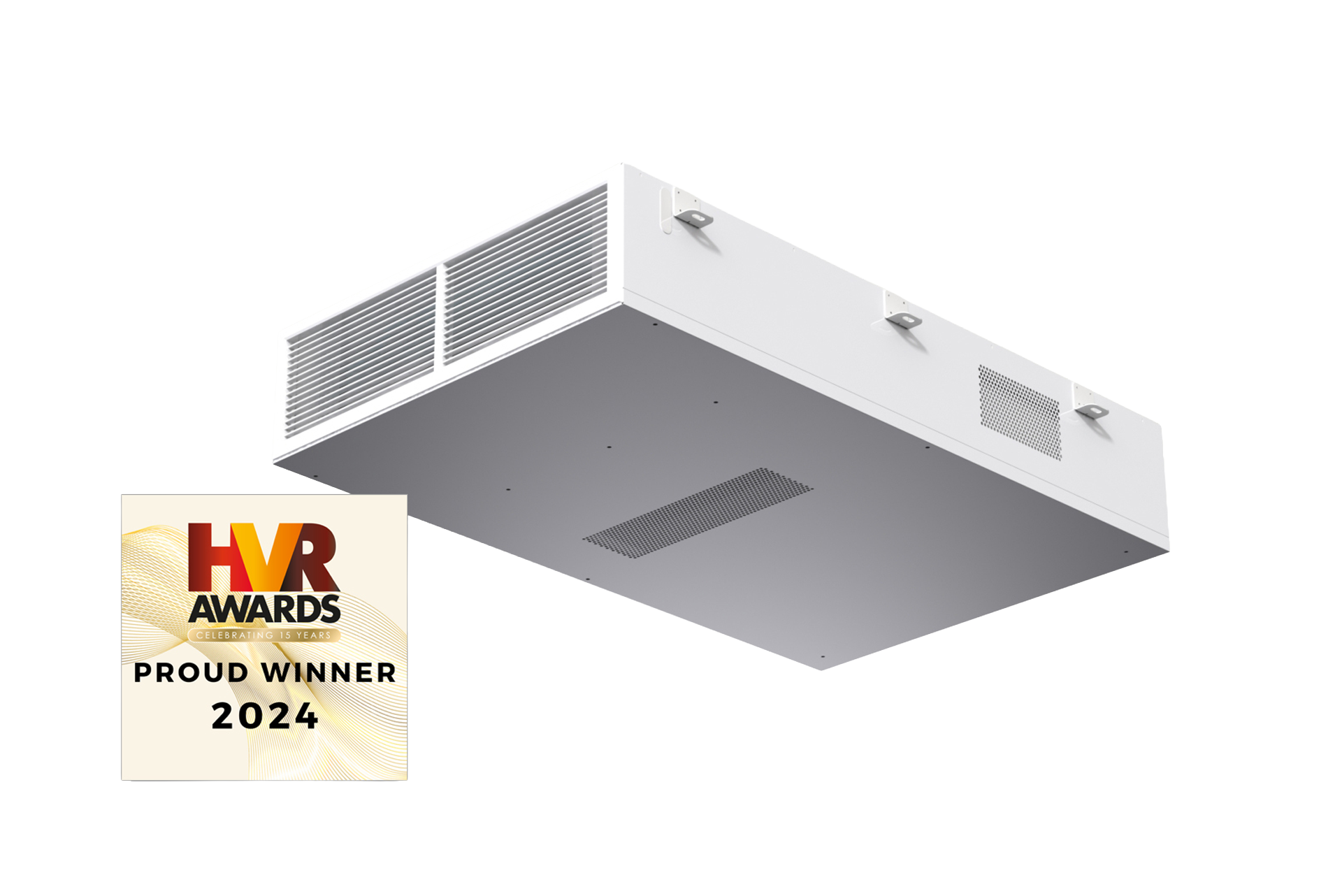
In colder weather or peak occupancy, our systems shift to hybrid operation, blending natural and mechanical systems.
- How it works: Introduces fresh air while using mixing technology to prevent draughts and warm incoming air.
- Benefit: Reduces space heating demand while keeping electrical fan power to a minimum.
Mechanical
Ventilation
Advanced Recovery
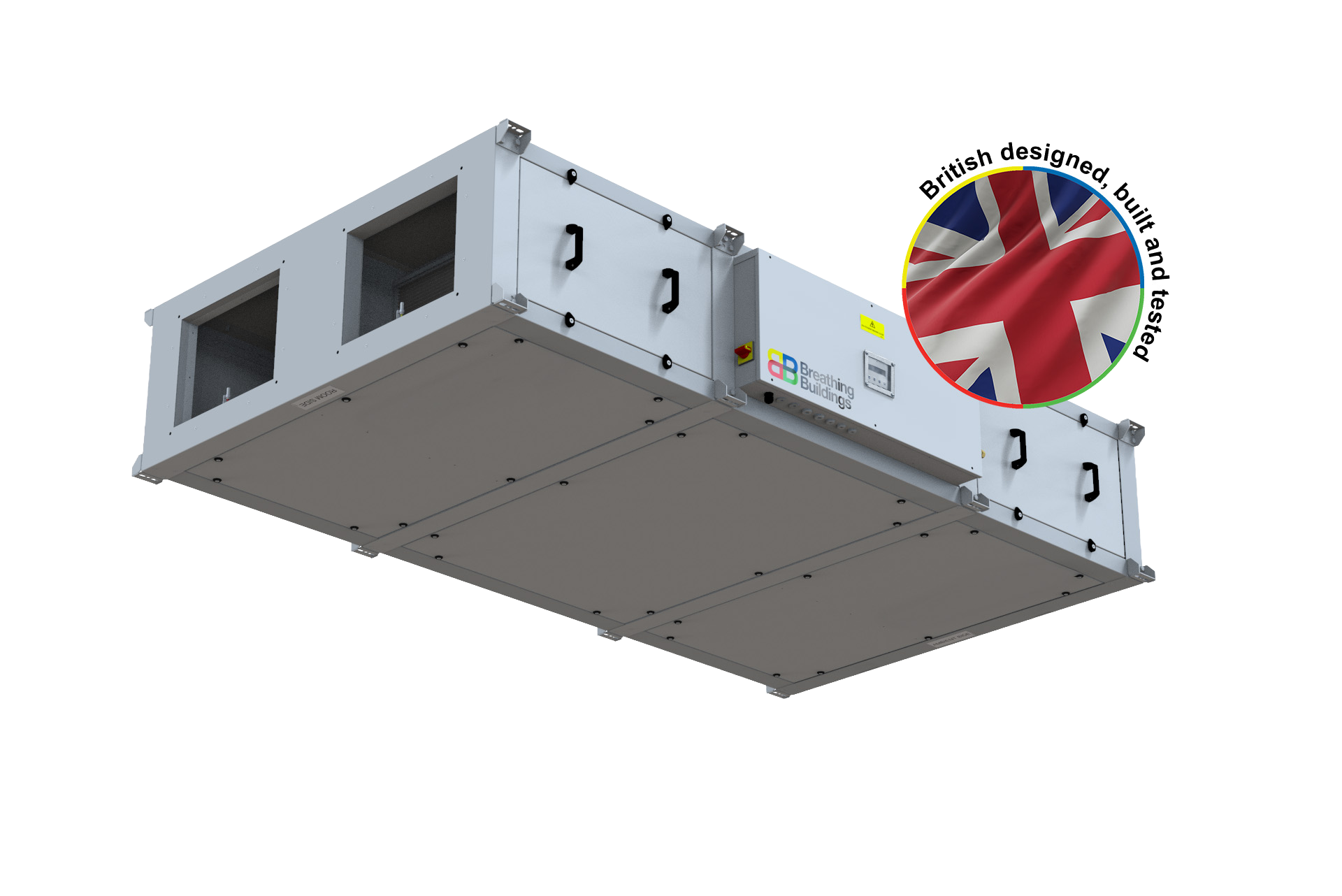
For maximum energy retention, our MVHR range uses low-resistance heat exchangers to recycle outgoing thermal energy.
- How it works: Warm stale air passes through a heat exchanger cell, transferring heat to the incoming air without mixing.
- Benefit: Achieves up to 93% heat recovery efficiency, recycling internal heat gains.
Supporting Your Sustainability Journey
We work alongside Architects, Developers, and Consultants to ensure sustainability is designed into every project from day one.
Expert Consultation
Our team includes members on the board of BREEAM and staff with Cambridge Business Sustainability Management training.
Get a Free ConsultationCIBSE-Approved CPD Courses
Expand your knowledge on natural ventilation, mixing ventilation, and heat recovery strategies. We offer lunch-and-learn sessions directly at your office.
Book a Session